My Blueprint for Peak Focus: A Deep Dive into Bio-Acoustic Hacking
I don’t have time for “slow.” Most people waste hours trying to focus. Actually, I’d rather debug a broken JSON API than sit through a productivity seminar. I use Bio-Acoustic Hacking to force my brain into high-gear. It isn’t magic—it’s signal processing for your gray matter. Specifically, this discipline uses sound frequencies to guide your internal operational modes. You can improve focus or facilitate deep relaxation with precise auditory stimuli. Overall, you are either the architect of your mind or its prisoner. I choose to build systems that work. This guide deconstructs the protocols I use for peak mental acuity.
Understanding Brainwave States
You need to know your internal clock speeds. These electrical oscillations are measurable via EEG and define your output. Currently, I categorize these into five distinct buckets.
- Delta (0.5-4 Hz): This is for deep, dreamless sleep. Naturally, it is essential for restorative recovery processes.
- Theta (4-8 Hz): This is for light sleep and creativity. It helps with deep meditation and memory recall.
- Alpha (8-12 Hz): My baseline for relaxed, wakeful states. Similarly, it promotes focused attention without mental strain.
- Beta (12-30 Hz): This is the zone for active problem-solving. Use this to handle complex logic or tasks.
- Gamma (30-100+ Hz): This is like overclocking your CPU. Plus, it is associated with high-level cognitive processing.
The goal is to guide your brain toward these specific states. I use these protocols to hit my peak performance every day.
Mechanisms of Bio-Acoustic Hacking
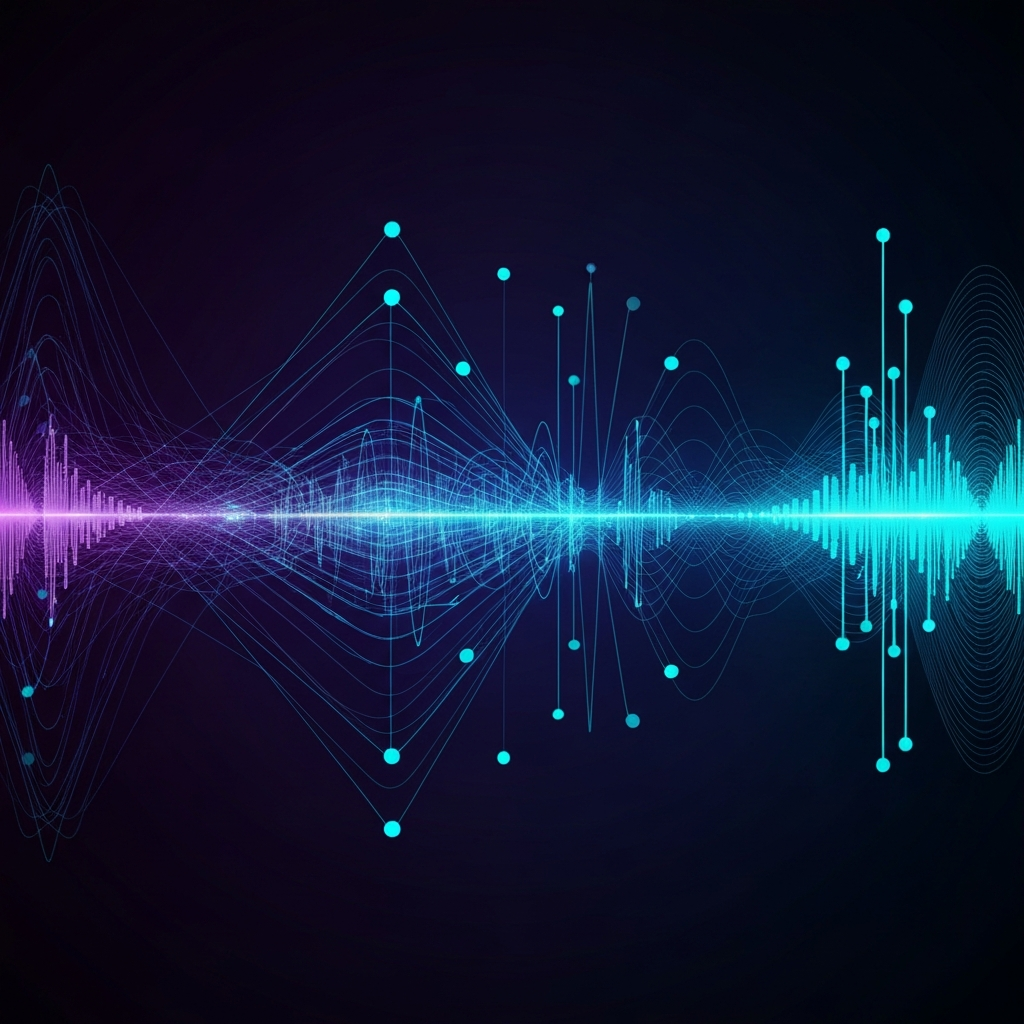
Bio-Acoustic Hacking relies on brainwave entrainment. Think of it like syncing game servers for better latency. Instead of passive listening, you use external stimuli to synchronize your brain. There are three main ways to do this.
- Binaural Beats: Two different frequencies presented to each ear. Your brain does the math and creates a phantom third frequency. Therefore, you absolutely must use headphones for this method.
- Monaural Beats: Two frequencies mixed before they hit your ear. The resulting wave pulsates at a physical difference frequency. Moreover, these are often more powerful for direct entrainment.
- Isochronic Tones: These are distinct pulses of a single tone. They turn on and off rapidly to create a rhythm. Actually, these are the most effective because the rhythm is incredibly sharp.
Technical Implementation Protocols
I hate bloatware and overpriced gadgets. Effective implementation only requires the right hardware and logic. Currently, I keep my setup lean and profit-focused.
Hardware and Software Essentials
Hardware:
High-fidelity, over-ear headphones are non-negotiable for binaural beats. You need excellent sound isolation to prevent signal bleed. Specifically, quality gear ensures the frequencies reach your brain correctly. I’ve wasted more money on bad PHP scripts than on good headphones. Don’t make that mistake; buy gear that delivers clean audio.
Software:
Avoid expensive commercial apps if you can. Desktop generators like Gnaural or custom generators are much better. Actually, most web-based generators offer enough control for quick sessions. Ensure your software allows for precise frequency manipulation to two decimal places. Naturally, I prefer open-source alternatives for the most granular control.
Protocol Design:
Session duration should range from 15 to 60 minutes. Consistency is the only thing that yields cumulative benefits. Start with 40 Hz Gamma for focus or 10 Hz Alpha. Plus, integrating these into your daily routine ensures you stay sharp.
Targeted Cognitive Enhancements
Bio-Acoustic Hacking is highly specific. I use it to target different domains based on my workload. Currently, I use it for four main areas.
- Enhanced Focus: Inducing Alpha or low Beta promotes relaxed alertness. This reduces mental wandering during deep work. Similarly, it helps me ship code faster without burning out.
- Memory Retention: Theta waves are critical for encoding information. Use these protocols during study breaks or before sleep. Instead of cramming, let your brain consolidate the data.
- Creativity: Stimulating Alpha and Theta facilitates access to subconscious thoughts. This is where I find my best “out of the box” ideas. Therefore, use these when you hit a creative wall.
- Stress Reduction: Low Alpha and Theta frequencies are paramount for relaxation. This mitigates the load from a high-stress day. Moreover, it improves my sleep quality significantly.
Cost-Saving Implementation Strategies
Building an autonomous life shouldn’t be expensive. I minimize costs while maintaining high efficacy. Actually, you can do this for almost zero dollars.
- Open-Source Tools: Use Gnaural or Audacity instead of paid subscriptions. These give you more control over your waveforms anyway. Overall, avoiding monthly fees is the first rule of profit.
- DIY Tone Generation: Generate pure sine waves with basic audio editing. This allows for complete customization without relying on pre-made tracks. Specifically, it puts you in charge of the signal.
- Repurpose Gear: Use your existing studio-monitor headphones. You don’t need “specialized” brainwave devices to get results. Plus, good frequency response is all that really matters.
Logical Frameworks for Integration
You need a structured framework to maximize benefits. I treat my brain like a server stack. Currently, I follow a five-step integration process.
- Define Goals: Clearly articulate what you want to achieve. Focus on outcomes like “reduce pre-sleep anxiety” or “deep work.” Naturally, this guides your frequency selection.
- Schedule Points: Weave these sessions into your existing schedule. Pre-work is for Beta; pre-sleep is for Delta. Similarly, you should use breaks for Alpha sessions.
- Iterative Design: Start with established protocols and track your performance. If a frequency isn’t working, change the carrier tone. Instead of guessing, use data to refine your sessions.
- Optimize Environment: Create a space with zero distractions. Minimize visual clutter so your brain can entrain properly. Therefore, your workspace must be as clean as your code.
- Combine Modalities: Use these tones with meditation or light exercise. This helps amplify the overall cognitive benefits. Moreover, it makes the entire system more robust.
Bio-Acoustic Hacking for Enhanced Neural Plasticity
I’m interested in long-term gains, not just quick fixes. Repeated induction of Gamma frequencies may support neural plasticity. Specifically, 40 Hz entrainment is hypothesized to strengthen synaptic connections. It’s like training for a high-stakes tennis match—consistency builds skill. Actually, this non-invasive method primes your brain for adaptive changes. I integrate this into my holistic brain health regimen. Overall, the precision of your frequency delivery determines your long-term success.
Advanced Techniques and Future Prospects
The field is evolving toward more sophisticated interventions. I am constantly watching for ways to automate this. Currently, personalized frequency mapping is on the horizon.
- EEG Feedback: Real-time brainwave monitoring could adjust frequencies instantly. This would optimize entrainment for whatever task you are doing. Plus, it would be the ultimate hack.
- Multi-Modal Integration: Combining sound with light flickering or electrical stimulation. This could create much more potent brain state modulation. Instead of one signal, you have a symphony.
- Neurofeedback Loops: Systems where your brainwaves directly influence the audio. This creates an adaptive experience that optimizes itself. Naturally, this is the future of cognitive tech.
Critical Considerations and Limitations
I’m blunt about the risks too. Bio-Acoustic Hacking isn’t a magic pill for everyone. Actually, individual neurophysiology varies quite a bit from person to person. What works for me might not work for you. Similarly, you have to watch out for the placebo effect. Don’t believe every marketing claim you see on a sales page. Therefore, prioritize evidence-based approaches and track your own data. Overall, use a cautious and scientifically informed approach.
Conclusion
Bio-Acoustic Hacking is a powerful method for direct cognitive modulation. By understanding brainwave frequencies, you can strategically enhance your performance. Technical implementation is easy and cost-effective if you know what you’re doing. Moreover, it is a sophisticated tool for mental optimization in a data-driven world. It’s time to stop grinding and start hacking your system. I use it to win, and you should too.