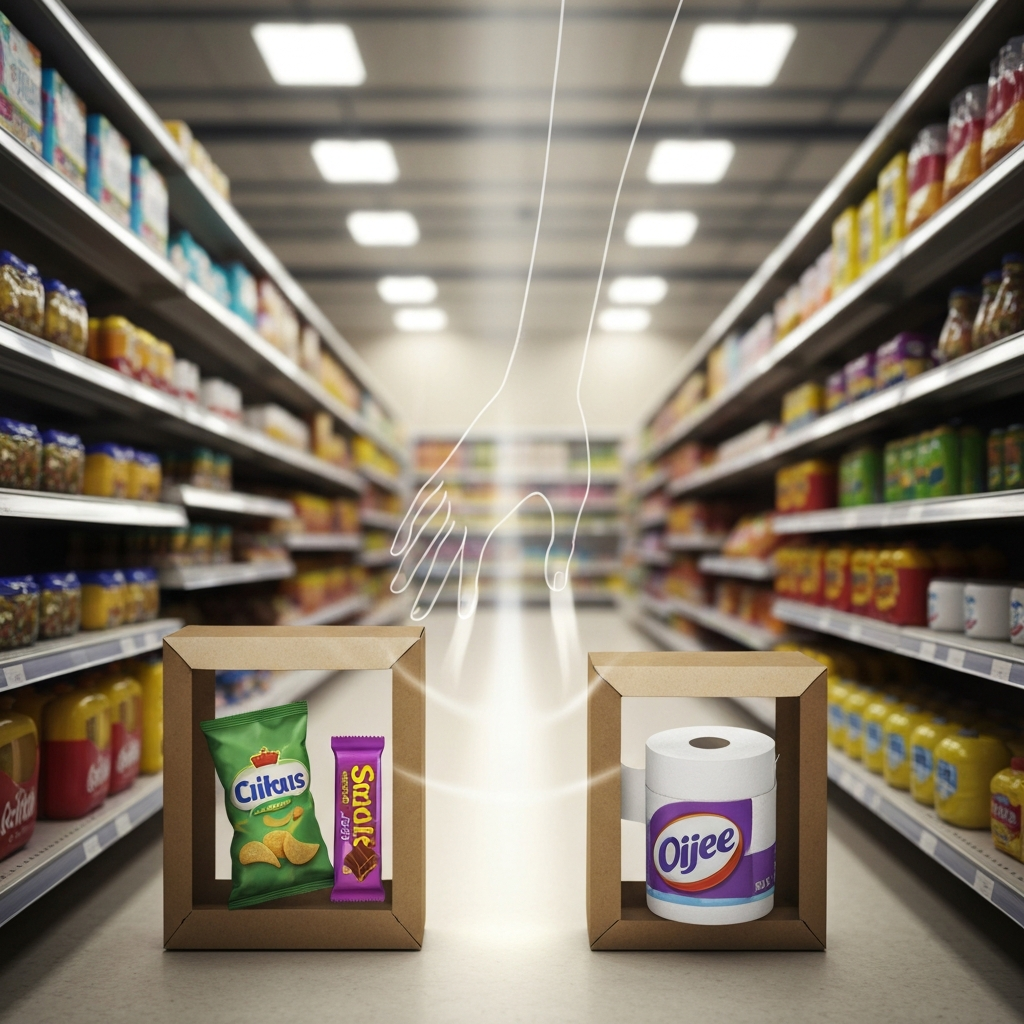
The shrinkflation definition is blunt: you pay the same for less product. I see it everywhere. Actually, it’s like a resource leak in my old VBA scripts. The output shrinks. The processing power stays constant. Moreover, that always drove me nuts. This isn’t just a hunch. It’s a calculated market strategy. Specifically, consumers globally feel this squeeze. Manufacturers reduce product size. The price holds steady. Therefore, sometimes, it even increases. This subtle shift is exactly what we call shrinkflation. Understanding this shrinkflation definition is vital for everyone.
The Shrinkflation Definition in Action: Why Products Shrink
Manufacturers aren’t charitable. Specifically, they face rising costs. Raw materials go up. Labor costs climb. Transportation fees increase. Instead, they cut product volume. This avoids buyer deterrence. Plus, it maintains profit margins. Some even boost them. My PHP loops often hit similar resource limits—you optimize, or you crash. This is their version of optimization, I guess. Overall, competitive market pressures drive these decisions. They want to avoid obvious price jumps. The size reduction is a less noticeable adjustment.
Spotting the Shrinkflation Definition in Real Life
Numerous examples hit shelves daily. For instance, my favorite cookies now have fewer biscuits. A bag of chips feels lighter. It holds more air, fewer crisps. These changes are often too subtle for the average shopper. Actually, major brands are masters of this game. Chocolate bars get thinner. Household cleaning products shrink. Even my toothpaste tubes seem to diminish. The purchase price, however, remains consistent. This impacts our wallets quietly. It’s infuriating.
The Consumer’s Pain: Impact of the Shrinkflation Definition
The consumer impact is significant. We pay more for less. This erodes purchasing power over time. It’s frustrating when you budget carefully. Every penny counts, right? Specifically, we feel deceived. The perceived value of purchases diminishes. There’s no clear communication. Therefore, household budgets stretch further. More units are needed for the same quantity. This leads to higher grocery bills. You feel shortchanged … constantly.
My Tactics: How to Spot the Shrinkflation Definition
Identifying shrinkflation is tough. But I have strategies. Vigilant shoppers can make informed choices. Here are my go-to tips.
- Check net weight/volume: Compare the label. Look at previous purchases. Check competitor products. This is the clearest indicator.
- Observe package dimensions: Does it feel lighter? Does it look smaller? Visual cues can betray the change.
- Count items: For multi-packs, count the items listed. Manufacturers easily reduce this number. The package size stays the same.
- Read unit pricing: Focus on price per 100g or per ml. This offers real value comparison.
- Keep old packaging: Save an old box. Compare it directly. A side-by-side view often reveals the truth—a hard lesson from my debugging days, where old code comparison saved my sanity.
The shrinkflation definition isn’t going away. It’s a market reality. Manufacturers manage their costs. But its effects hit us directly. Being informed about this shrinkflation definition empowers you. It allows for educated purchasing. Vigilance at the store helps. Protect your budget. Demand the value you expect.