Our industry’s changing fast. **AI generated content** is popping up everywhere, shifting how we make things. Algorithms now craft vivid pictures and gripping stories, stuff we used to think only people could do. It’s a big deal. This new way offers awesome creative chances, but it also brings tough problems, especially with being real and who owns what. Since these powerful tools are easier to get, folks are asking big questions. What’s the real source of digital work? Who owns AI-made things? And what about the ethics? We’ve got to figure this out, creators, buyers, and lawyers alike. Actually, mixing AI into making content means we must look closely at how it changes what we think is original and trustworthy online.
The Start of AI Content: A New Time?
Content making has definitely changed because of AI’s progress. Creating stuff used to take lots of human work and hours. Now, **AI content creation** tools make it simple. These new tools aren’t just doing boring jobs; they’re actually making brand-new media themselves. Plus, from selling things to fun stuff, people are really checking out how efficient and new these technologies can be.
Knowing Generative AI and What It Does
The big idea behind this change is **Generative AI**. This AI branch makes new data that looks like the stuff it learned from. People use this tech to make all kinds of things. For example, smart algorithms regularly use **AI generated text** to write articles, ads, and even stories that make a lot of sense. At the same time, **AI generated images** are changing art, making everything from super-real photos to wild digital paintings. These systems keep getting better. So, it’s getting harder to tell what’s made with a machine’s help and what a machine made all by itself.
AI and Copyright: A Messy Business
The link between **AI and copyright** is probably one of the biggest fights about this new space. Old copyright laws came from a time when a human had to make something for it to get protection. But, now AI systems make art all by themselves, and that’s made things unclear. People are fiercely arguing about “Who owns copyright for AI generated art?” in law and art circles, and there isn’t a clear answer yet.
What AI Content Making Means for Laws
The **legal implications of AI content creation** are huge, and we’re just starting to understand them. Current laws struggle when the “creator” isn’t a person. People worry about breaking copyright if AI models learn from copyrighted stuff without asking first. Plus, if an AI makes something that looks a lot like a human’s work, we don’t know who’s responsible. So, new **copyright laws for AI generated content** are being talked about and suggested worldwide. They want to fix these tough problems and make things clear for people who make stuff and people who build AI. This constant talk is key to building a fair online future for everyone.
Authenticity: Can We Trust What We See?
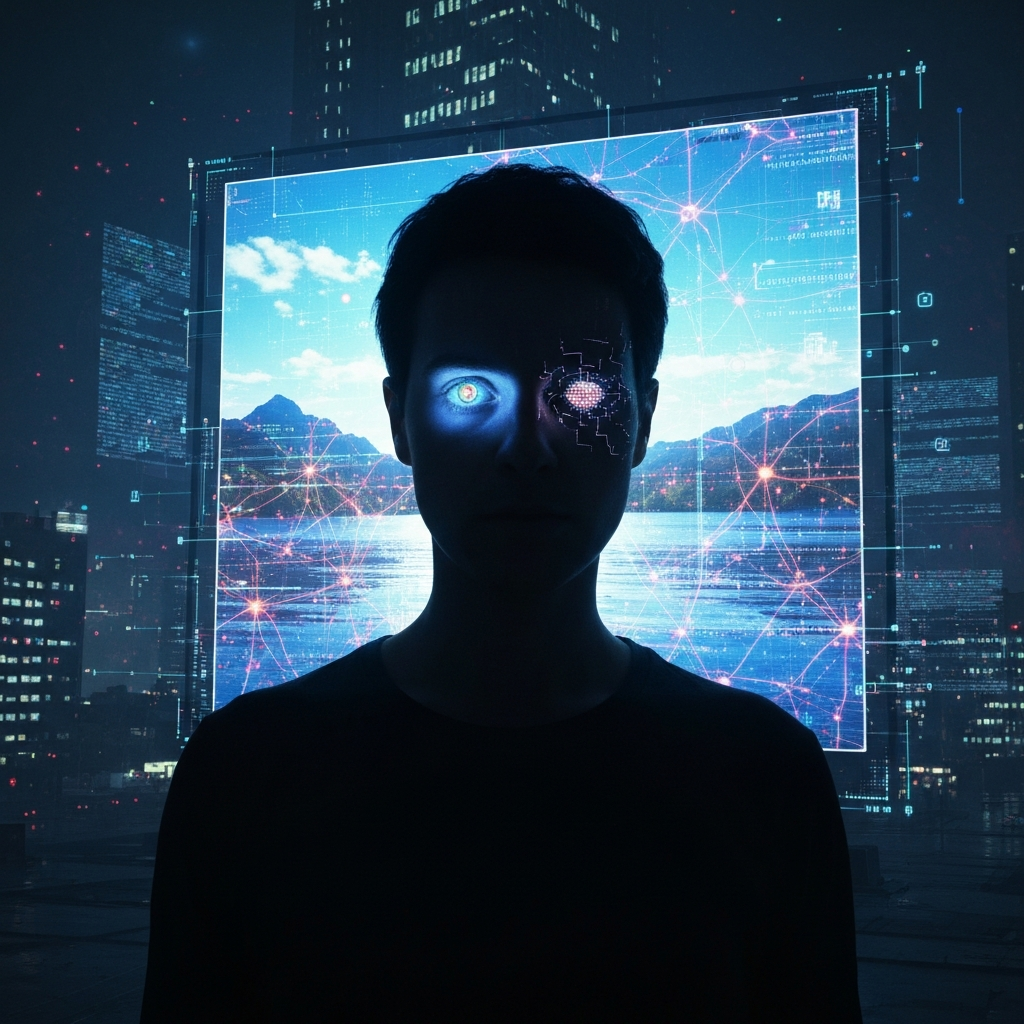
Beyond who owns what legally, a big problem with AI-made content is being real. We call it **Authenticity in AI**. Because AI is getting so good at acting like human creativity, we’re questioning what **Digital authenticity** even means. The “Impact of AI generated content on authenticity” is huge. It’s making it super hard for regular folks to tell what’s real and what’s fake. So, we’re being told to be careful all the time.
Spotting Human vs. AI Content
People are trying to find ways to “How to verify authenticity of AI content.” They’re making digital watermarks, looking at data behind files, and building special tools to help us in **Distinguishing human vs AI generated content**. But, these tools are always fighting to keep up with how fast generative AI gets better. This creates an “Authenticity crisis due to AI content.” People are more doubtful about online media, and it could hurt our trust in digital facts and art. So, we’re telling buyers to think carefully and ask where content came from to stay safe from tricks.
Ethics: What’s Right and Wrong with AI?
When everyone starts using generative AI, it brings a lot of questions about **AI content ethics**. We’re talking about unfairness hidden in the data AI learns from. Plus, there’s the chance people will use it to make fake news or deepfakes, and human creative jobs could disappear. The “Ethical concerns of AI generated content” aren’t just ideas; they actually affect real life. So, everyone involved must think carefully and act fast.
Stopping Fake News
A big **Generative AI issue** is that people could use content as a weapon for fake news attacks. It’s so easy to make stories or pictures that look real but aren’t. This puts our information systems in danger. We need strong ways to check facts and teach people so they can really look at the content they see. We think constant learning for the public is a key defense.
The “Future of AI content” and the “Future of content creation with AI” are definitely linked. We see AI working like a strong helper for human creators, making them more productive and opening up new creative paths. But, this future also needs us to make clear rules about ethics, build AI responsibly, and have laws that can change. Technologists, artists, lawyers, and politicians must work together. That’s key to making a future where we get the most good from AI in content making, while also lowering its dangers. Acting early is important.
Conclusion
So, **AI generated content** is really changing the online world. It gives us awesome chances for new ideas and efficiency in areas like **AI content creation**. But, it also brings big problems with **AI and copyright** and keeping things real when it comes to **authenticity in AI**. We urgently need to define who owns **Copyright AI art** and figure out **Distinguishing human vs AI generated content**. Looking ahead, we need a balanced way. This means pushing new tech forward but also putting ethics first, making laws clear, and helping people know what’s what. This trip into a new creative space will need constant changes and good talks. We’ve got to make sure AI helps human cleverness, instead of hurting trust and originality. Everyone working together is the way to win in these changing times.