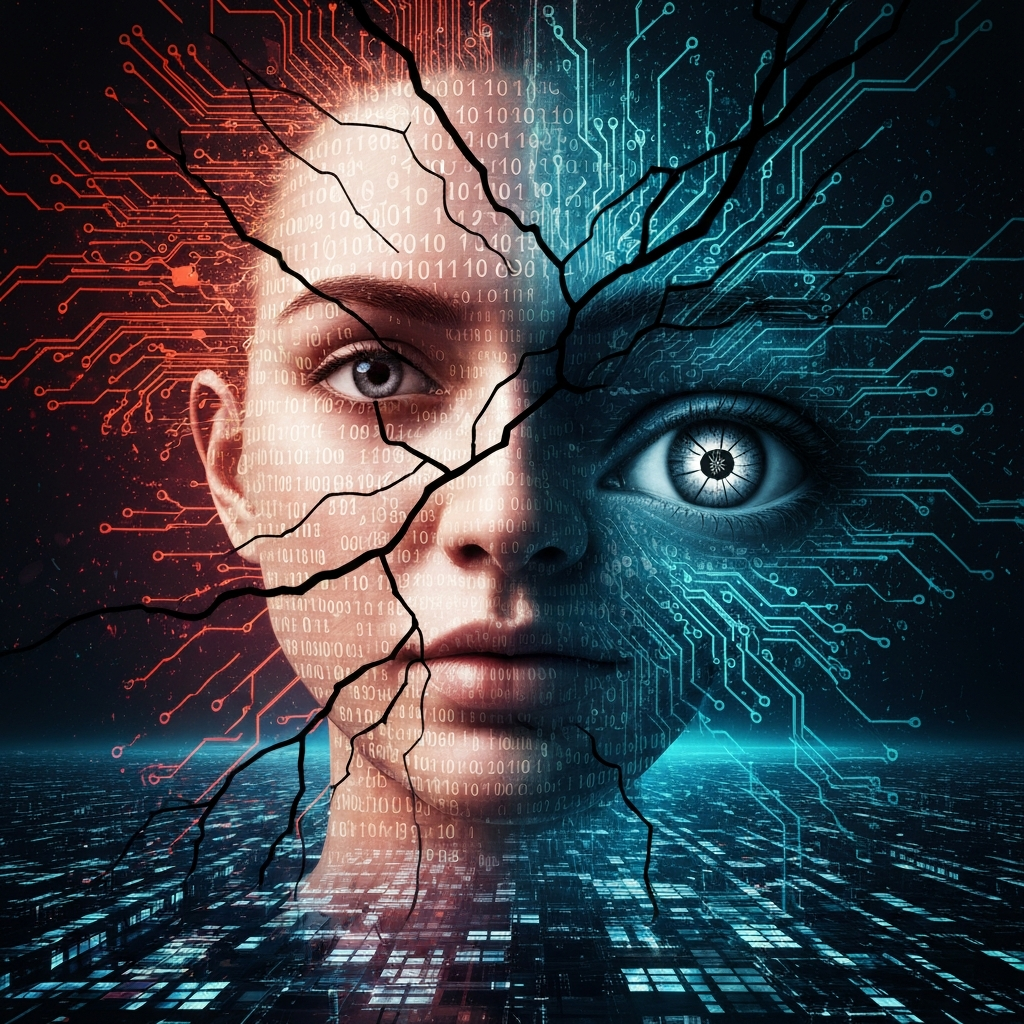
Sophisticated fake media has brought something urgent into view: **Deepfake ethics**. Deepfake technology is getting super good, making hyper-realistic deepfakes that you can’t tell from real stuff. We’re asking tough questions. It’s about truth, trust, and individual rights. This new industry needs us to think hard about moral and social limits. AI deepfakes are moving fast. We need a strong ethical plan to make sure these powerful tools are used responsibly and don’t cause harm.
What is Deepfake Technology?
Deepfake technology started out as fun. People saw it as a new way to change videos and audio for laughs. But it’s quickly become a serious tool. At its heart, making a deepfake uses smart AI programs, especially something called generative adversarial networks (GANs). They learn from huge piles of images and sound. These programs then create new content that looks just like real people. They make hyper-realistic deepfakes. These fakes show people doing or saying things they never did. The process is complex, but it’s getting easier for anyone to do. This means more fake media is popping up everywhere. This ease of use makes understanding **Deepfake ethics** even more important.
The Alarming Dangers of Deepfakes
More AI deepfakes mean big problems. We’re seeing real **dangers of deepfakes**. A huge worry is how deepfakes become weapons. People use them for misinformation and fake news. They can make up speeches or events. These fakes spread fast. They break down public trust in important groups and real facts. Plus, individuals can get targeted. Their images get used without permission in bad ways. This causes huge damage to their name and a lot of emotional pain.
- **Trust Disappears:** Society relies on trust. It’s hard to tell truth from lies.
- **Bad Reputation:** People, especially public figures, can have their pictures or voices changed. This spreads untrue stories about them.
- **Money Scams:** Smart deepfake audio can pretend to be company leaders. This means big money losses for businesses.
- **Political Mess:** Deepfakes might change how people vote. That’s a huge danger to fair elections.
These **dangers of deepfakes** aren’t just ideas. We’ve seen them used for bad things already. This shows why we urgently need to talk about **Deepfake ethics**.
Ethical Implications of Deepfake Technology
Deepfake technology brings up many ethical questions. It touches on consent, privacy, and what’s real. When someone’s face or voice is used to make fake media without their okay, that breaks basic privacy rules. The power to create convincing fake evidence also causes big problems for our legal systems. It’s getting harder to tell real stuff from made-up stuff. So, proving things in court could get much trickier. It challenges how justice usually works. Plus, making realistic fakes is easy. This creates a feeling of widespread distrust. People might question all digital content. This leads to a ‘liar’s dividend,’ where even true things get called fake. This big change in society means we must get ahead of **Deepfake ethics**.
Are AI Deepfakes an Existential Threat?
Experts and leaders are asking a deeper question: **Are AI deepfakes an existential threat?** The word ‘existential’ sounds really dramatic. But the idea of deepfake misinformation messing up society is a real worry. If we completely lose trust in what’s real, societies won’t be able to make smart choices. They can’t have polite talks. They can’t stick together. Our shared reality crumbles. Losing objective truth, plus making agreement or fights on a huge scale, really challenges how democracies run and how stable the world is. Hyper-realistic deepfakes can cause massive chaos and confusion. This suggests that if they spread without limits, they could truly be a big, long-term danger to human society itself.
Combating Hyper-Realistic Deepfake Dangers
We need many ways to fight the **dangers of deepfakes**. This means tech fixes, new laws, and teaching people. First, better ethical AI is super important. We need to build strong tools that can spot fake content very well. We’re also looking at watermarks and digital history tech. These help prove what media is real. Second, we must create legal rules to stop bad deepfake making and sharing. That means clear punishments for making deepfakes without permission, especially for harassment or scams. Third, we need public campaigns. They’ll teach people how to really look at digital stuff and see fake media signs. We must all work together. This will help us deal with the risks of **combating hyper-realistic deepfake dangers**.
The Future of Deepfakes: Ethical Concerns and Responsible AI
Thinking about what’s next, deepfakes will bring even bigger ethical worries. The tech will get smarter and be everywhere. So, being committed to building **responsible AI** is key. This isn’t just about making tech better. It’s also about putting ethical thinking right into how we design and use AI systems. Developers and researchers have a big job. They must consider how their creations might affect society. Working together across countries is also crucial. Digital content doesn’t have borders. We need to keep making and updating rules for good research, ethical use, and strong regulation. We hope that acting now will make sure deepfake technology’s good sides can happen. We also want to keep its risks small, always putting **Deepfake ethics** first.
Conclusion
So, the world of **Deepfake ethics** is tricky. It’s always changing. Deepfake technology has cool chances for creativity and new ideas. But it can also get used the wrong way, especially with AI deepfakes. This brings big problems for people, groups, and society as a whole. We need to pay close and ongoing attention to the **ethical implications of deepfake technology**. We can get through the **dangers of deepfakes** more safely. This takes new tech, tough laws, teaching the public, and a strong promise to responsible AI. We can guide the future of fake media to a place that values truth, privacy, and everyone’s good. But only if we all work together and stay alert.