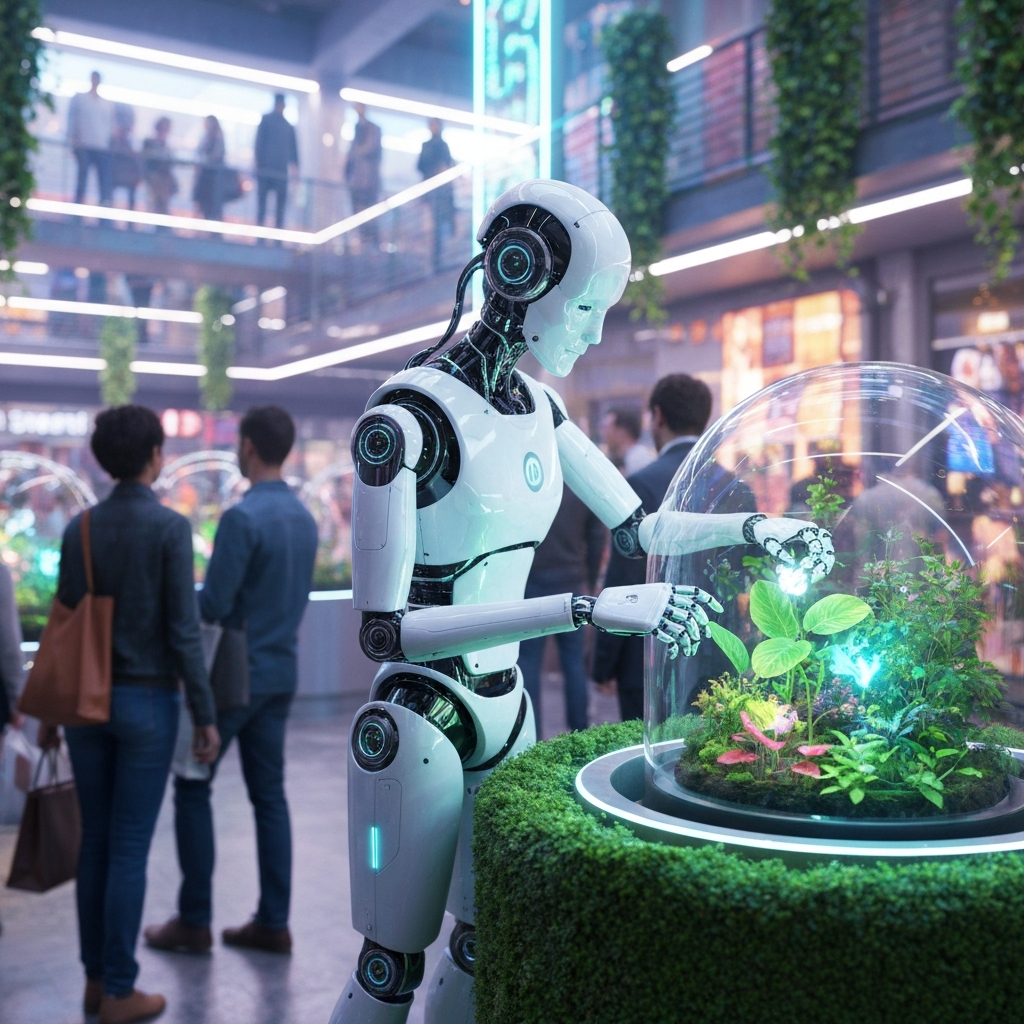
Humanoid Robots are sparking huge talks and development right now. They’re pushing us into a future where advanced machines, shaped like us, could easily become part of our daily lives. It’s a big deal. This idea of a robotics future, something from sci-fi, is actually happening thanks to big jumps in AI and mechanical engineering. We’ve got to think about how these smart machines might change everything: our society, how we talk to each other. It’s truly fascinating.
Understanding Humanoid Robots
Humanoid robots, simply put, look like us. They’ve got bodies that copy the human shape. This design choice usually aims to let them work in places made for people and make talking to robots feel more natural. They’re versatile. From doing complex jobs to just being there for company, the possible uses are huge and constantly being looked at. But, actually, building these machines hasn’t been easy. It’s had amazing wins and tough problems, especially getting them to fit easily into our world.
Navigating the Uncanny Valley Phenomenon
One of the biggest mind-bending problems in making real-looking humanoid robots is something called the ‘Uncanny Valley.’ This idea describes a strange drop in how we feel when a robot looks almost human, but not quite. It’s unsettling.
What is the Uncanny Valley in Robotics?
The uncanny valley in robotics suggests a weird truth. When a robot looks more and more like a person, we tend to like it more, up to a certain point. But then, if it keeps getting more human-like but isn’t perfect, we actually feel disgust or unease instead. That’s a problem. Usually, tiny flaws that show the robot isn’t human trigger this feeling, making us uncomfortable instead of making us care. It’s a tough design puzzle.
Addressing the Uncanny Valley in Robot Design
Actually, designers are trying many ways to fix the uncanny valley in robot design. They’re always trying different looks, often choosing more stylish or clearly non-human appearances so they don’t cause that bad feeling. It makes sense. Plus, sometimes they don’t just focus on how real it looks. Instead, they care more about how real it acts, making sure movements are smooth and responses are right. They’re also working on complex facial expressions and body language that truly show emotion, aiming for a more natural, less creepy chat. Designers know they’ve got to find a good mix between how well it works and how much people like its look.
The Societal Impact of Humanoid Robots
When many people start using humanoid robots, it’s going to change society in a big way. These machines can boost what humans can do and fill important job openings. It’s a huge deal.
Transforming Industries and Daily Life
Here’s why: in places like healthcare, we’re building humanoid robots to help care for patients, do surgeries with better accuracy, and support older folks. They’re real helpers. Education could see them as interactive teachers, giving custom learning to each student. And in service jobs, roles like hotel concierges or hospitality workers might get robotic help. These steps forward promise more efficiency and safety in many settings. But we really need to think about their long-term effects. So, how humans and robots talk and work together will change a lot, as we start to imagine new ways of living and working side-by-side.
Ethical Implications of Humanoid Robots
As AI robots get smarter, big ethical questions pop up about them existing and fitting in. We’ve got to think about this stuff. It’s vital for building them right.
Robot Ethics and Moral Questions
One of the biggest worries is jobs. Will humanoid robots grab roles humans do now, causing lots of unemployment? It’s a scary thought. Plus, people are talking more and more about how AI robots make their own choices, how they decide things, and who’s to blame if they mess up. Even what ‘life’ and ‘being aware’ mean could get challenged as these machines get smarter. Also, the ethical side of humanoid robots touches on privacy, keeping data safe, and if they could be used for bad things. We need rules. We’ve got to set up protections and clear rules before we let them loose everywhere.
The Future of Humanoid Robot Development
Actually, the future of building humanoid robots really depends on how we handle these tough ethical problems. New tech isn’t the only thing driving progress. We’re also seeing ongoing public talks and deep thinking about these issues. Building them responsibly means putting ethical ideas into the design process from the very start. This full way of thinking makes sure that new AI robot steps match human values and what’s good for everyone. So, putting money into research that focuses on safety, openness, and who’s responsible is super important for this field to keep growing.
Pros and Cons of Humanoid Robots
The path to a future where we share our world with humanoid robots has both great upsides and serious downsides. We need to think hard about them. It’s a balance.
**Pros:**
* More efficient work in many jobs.
* They do dangerous or boring jobs, keeping people safe.
* Help older people and those with disabilities, making life better.
* Could lead to big science discoveries and new explorations.
* Always give good, steady service to customers.
**Cons:**
* People could lose jobs in many areas.
* Hard questions about their freedom, if they can think, and right/wrong choices.
* Cost a lot to build and keep running, so not everyone can get them.
* That “uncanny valley” feeling, making people uneasy or not like them.
* Safety worries, like hacking or using smart AI for bad stuff.
Conclusion
The arrival of humanoid robots is a giant step in technology. It’s going to change how we talk to machines and how our world looks. It’s a big shift. While a future packed with smart AI robots sounds thrilling, it also comes with tough problems. We’ve got to keep tackling big questions about robot ethics, what they do to society, and that creepy “uncanny valley” feeling. It’s clear that building and bringing in these amazing machines responsibly will need constant talks, strong rules, and everyone working together. We must make sure tech progress helps people. Only by carefully finding our way through these tricky paths can we truly use humanoid robots to make society better.