Artificial intelligence’s world has completely changed because of generative AI. It’s a big deal. But as these tools get super powerful, **Generative AI Ethics** has popped right up, needing our immediate attention. When AI makes stuff that looks just like human work, a tricky mix of ethical problems with generative AI starts to form, bringing new challenges for society, law, and what we think is right. Trust and who owns what gets tested. We’ve got to look at the tough moral questions this new tech brings.
Understanding the Core of Generative AI Ethics
Generative AI tools, which can make real-looking images, words, and sounds, have gotten better fast. They’ve really boosted talks about **AI ethics**. These strong programs offer huge creative chances, but we’re also seeing they can cause trouble and mix-ups. We really need to get clear on the basic ethical rules. That’s super important.
The Rise of Deepfake Ethics and Misinformation
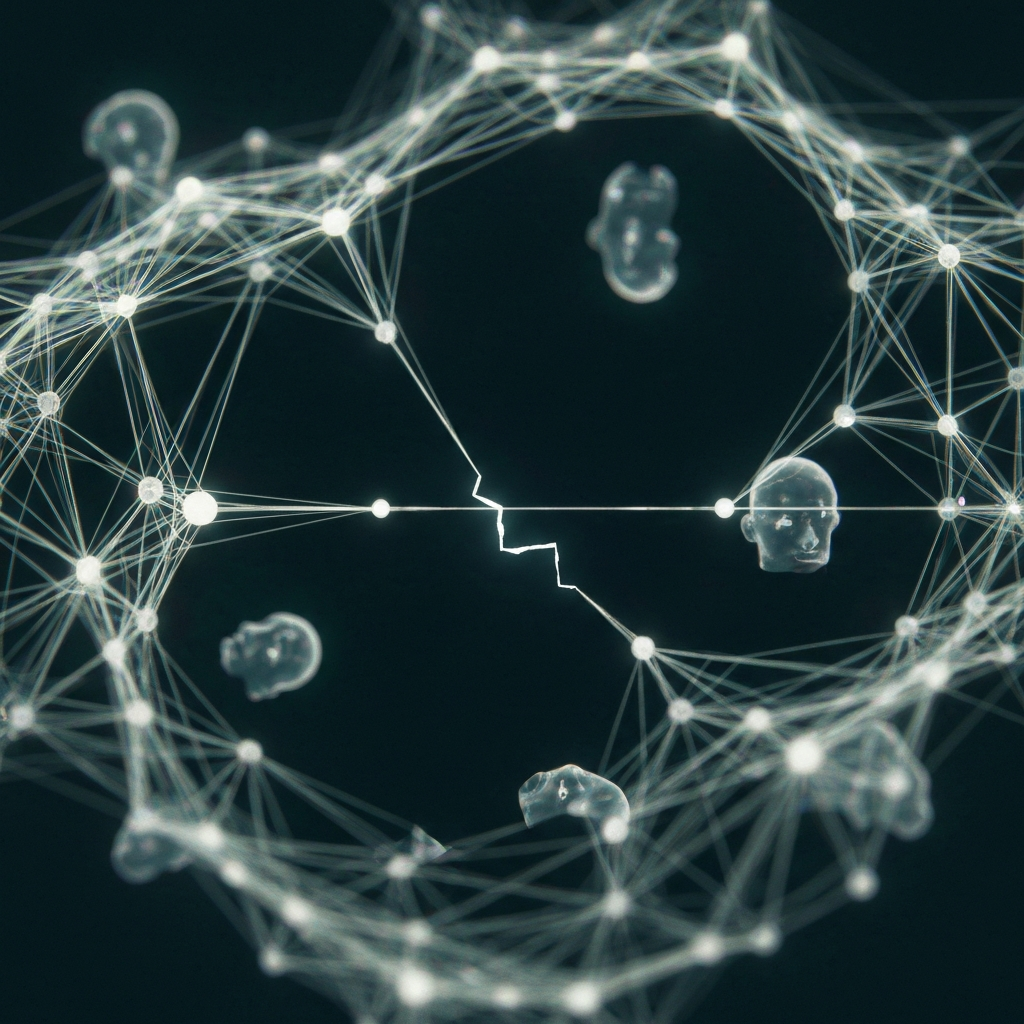
A huge **Generative AI issue** involves deepfakes. It’s a big problem. Making fake media that looks very real, showing people doing or saying things they didn’t, has brought up major worries about **deepfake ethics**. These fake creations can be used as weapons for hurting reputations, cheating people, or messing with politics. They really break down trust in what we see and hear. So, how to handle deepfake ethics is a question that leaders and tech experts are looking at very closely. They’re finding ways to fight deepfake misuse. This will lessen the risks.
AI Copyright: Protecting Creativity in a New Era
Plus, **AI copyright** presents another big challenge. Who owns it? When an AI program makes art, music, or writing, deciding who owns it gets confusing. Did the AI write it? Was it the person who coded it? Or was it the user who told it what to make? These **copyright challenges with AI-generated content** are making us look again at today’s intellectual property laws. Keeping copyright safe for AI art is becoming super important. It helps keep creative industries honest and makes sure human artists get paid fairly, especially if AI copies their styles.
Addressing Generative AI Issues and Risks
Actually, the problems with generative AI aren’t just about deepfakes and copyright. There’s more. We’re doing a bigger look at **Generative AI risks**, which includes hidden biases in the data it learns from, spreading bad stereotypes, and people losing control. Everyone knows we must fix these things carefully. This helps build good new tech.
Ethical AI Development: A Proactive Approach
One key way to handle these tough situations is to build **ethical AI development**. It’s a must. This means making AI systems with built-in protections, making how they work clear, and holding them responsible for what they produce. Ideas like fairness, privacy, and not doing harm are getting added into how we make generative AI tools. Plus, different viewpoints are coming into development teams. This helps us see and fix possible biases early. It ensures AI helps everyone.
Navigating AI Moral Dilemmas in Content Creation
The area of **AI content creation ethics** is full of **AI moral dilemmas**. It’s a minefield. For example, should an AI be able to make content that might hurt or mislead people, even if a user asked for it? What ethical limits should we set when AI pretends to be human or shows emotions? These questions are getting discussed among AI experts. They want to make rules that balance new ideas with what’s good for society. We’re creating guidelines to help creators know their duties when they use AI to make content.
The Path Forward: Regulating and Combating Misuse
So, generative AI’s fast progress means we need strong rules and watchdogs. We need them now. There aren’t clear legal rules or ways to make sure AI-made content follows the law. That’s a big missing piece we’ve got to fix.
Legal and Ethical Issues of Generative AI: A Balancing Act
Here’s why: people are working hard to tackle the many **legal and ethical issues of generative AI**. Governments and global groups are looking at different ways to set rules. These range from making sure AI content is clearly labeled to having tougher punishments for bad use. Setting rules for generative AI deepfakes is becoming a top goal. They can really hurt society. We’re trying to find a careful balance. We don’t want to stop new ideas, but we must protect people from this strong tech’s possible wrongs.
Future of Generative AI Ethics and Law: A Collaborative Effort
The path for the **future of Generative AI ethics and law** is taking shape. It’s happening through talks between tech folks, law experts, ethicists, and government leaders. Everyone agrees that working together, with many different groups involved, is key. This helps us make rules that can change as tech gets better. Also, teaching people about using AI responsibly is really important. It helps everyone judge AI-made information wisely. Countries are teaming up to set global rules. These are for good AI use.
Conclusion
Looking at **Generative AI Ethics** shows us a world full of big promises and tough problems. That’s for sure. As these smart AI systems keep changing, we need a strong ethical base more and more. Getting ahead with good development, clear laws, and constant public talks are key parts. They help us use generative AI’s amazing power in a good way. Only by staying watchful and working together can we truly make a future where AI helps people best, while sticking to good rules. This trip to bring generative AI into society responsibly has just started. Its ethical parts will definitely stay a main focus for many years.