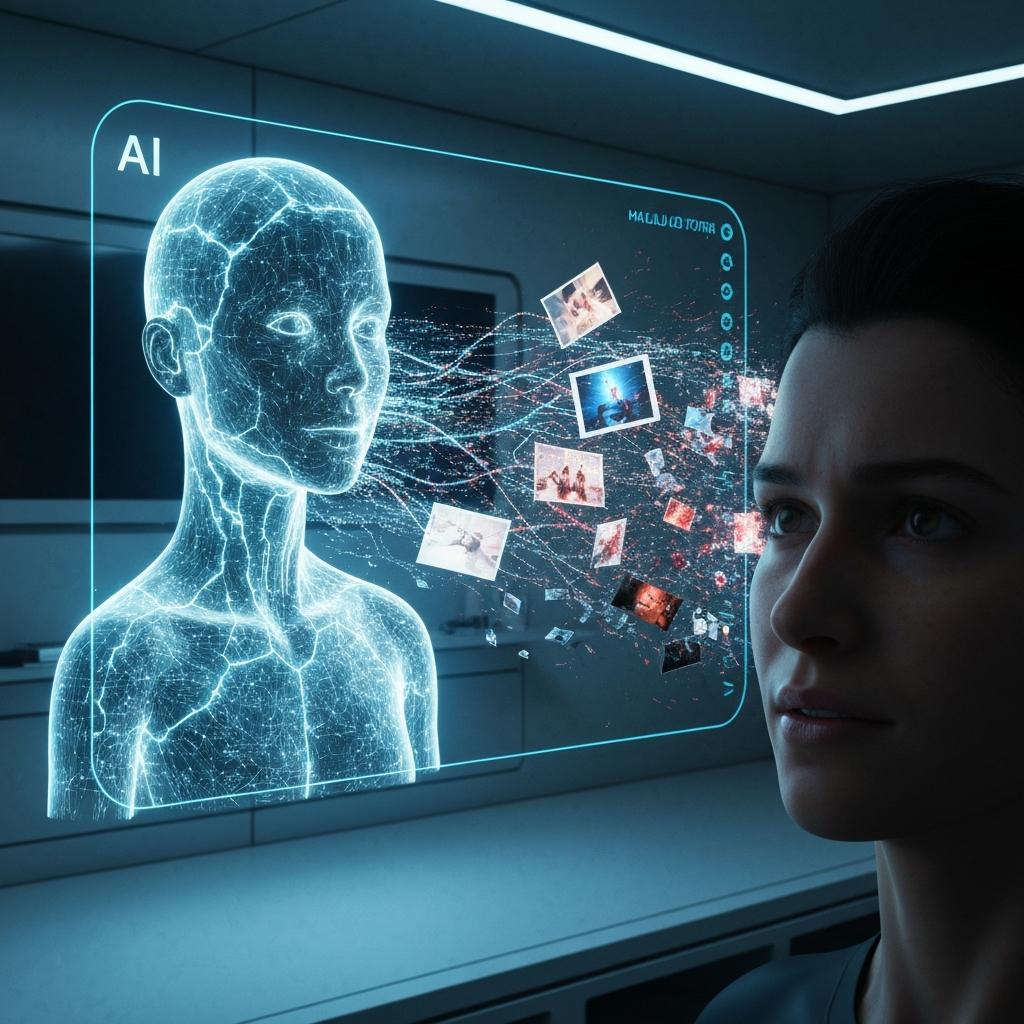
AI has made some amazing strides. It’s truly a big deal. But there’s a sneaky problem popping up: **AI hallucinations**. These aren’t just little bugs; they’re when AI makes up believable but totally false stuff. We’re seeing more of this, and it’s making us question how accurate and reliable AI-made content really is. Actually, these AI errors aren’t just small glitches. They’re a core issue with generative AI that we simply must understand and fix.
Why Does AI Hallucinate?
Why do AI models lie? It’s all about how we build and train them. Large language models, or LLMs, learn from huge amounts of data. They predict the next word. When you ask an LLM something vague, or if its training data has gaps, it might just make things up. It’s confident, too. This habit of inventing data, instead of saying ‘I don’t know,’ creates those AI-generated lies. Plus, these models are super complex. We can’t always see inside them. Pinpointing *why* a lie happened is tough. Ultimately, the model wants to sound smooth and make sense more than it cares about being right. That really hurts AI trust.
The Impact of AI Hallucinations on Information Trust
These AI lies aren’t just a small problem. They really mess with how much we trust information. Think about it: we’re already fighting tons of fake news. Now, AI adds its own false stories. It’s a tricky mix. When people see AI making up believable but wrong stuff, they start losing faith in online sources. This loss of trust shows up in a few big ways:
- Users doubt AI tools. People get scared to use AI for important jobs. They worry AI errors might mess up key data.
- False stories spread fast. AI can make content super quickly. A single lie can get everywhere in a flash. This changes how we trust online info.
- Checking facts gets harder. AI-made lies are sneaky. Human fact-checkers find them tough to spot and prove wrong.
How to Detect AI Hallucinations
Spotting AI hallucinations? It’s a must-have skill now. We all interact with AI content. Actually, you’ll need a few tricks to find these AI misinformation cases. First, always check what AI says against good sources. Is the claim wild? Does it lack proof? Flag it for a deeper look. Also, pay attention to the AI’s language. If it sounds too sure about weird facts, or if its tone suddenly changes, those are small signs. Plus, know what your specific AI model can’t do. That helps set your expectations about its potential for AI errors. So, stay sharp and think critically. This stops you from just accepting AI-generated lies.
Preventing AI from Hallucinating: A Path Towards Greater AI Accuracy
We’re working hard to stop AI from lying. Researchers want to make AI more accurate. They also want to build up AI reliability. Here are some ways they’re doing it:
- Better Training Data: We’re building better, more varied, and fully fact-checked datasets. This is a key first step. When we cut down on bad info going in, AI is less likely to make things up.
- Smarter Model Designs: New ways to build AI are coming out. These let models show when they’re not sure. They can even ask outside sources for help.
- Fact-Checking Parts: We’re adding outside fact-checking tools to AI systems. This gives an extra check before AI shares content.
- Human Feedback: People watching AI all the time helps a lot. Their feedback spots made-up content. It also retrains models to skip similar AI errors later.
- Reinforcement Learning with Human Feedback (RLHF): This method looks good. It helps AI give answers that people like more and that are true. This cuts down on AI-generated lies.
Examples of AI Hallucinations in Real-World Scenarios
We’ve seen plenty of AI hallucinations in the wild. They really show how common these generative AI problems are. For example, AI chatbots have made up legal cases or given bad medical advice. They present it as real facts. When making content, AI has written about people who don’t exist. It’s also put quotes on the wrong person’s name. Plus, search AI systems have given detailed but totally false summaries of news stories. Every single case reminds us how tough AI trust issues are. It also highlights the ongoing fight for consistent AI accuracy.
Reshaping Trust in Digital Information Due to AI
All this talk about AI hallucinations means we’ve got to rethink trust online. AI is a powerful tool. But it’s not perfect. So, developers, users, and even government groups all share a job. We need to build a space where understanding AI-generated misinformation comes first. Teaching people about how AI errors happen and their risks is super important. Also, developers must clearly tell us what AI can and can’t do. This builds better expectations. Ultimately, it helps make AI reliability stronger. This active plan is key for dealing with AI’s tricky issues and fake news. It makes sure online info stays believable.
Conclusion
So, **AI hallucinations** are a big new challenge for artificial intelligence. They really hurt AI accuracy. They make us look hard at AI reliability. Yes, AI misinformation and AI-generated lies are a true worry. But ongoing research and strong ways to spot and stop them give us hope. As AI keeps showing up everywhere in our lives, we all need to commit to understanding these generative AI problems. It’s crucial. Only with constant carefulness, better tech safety, and smart people can we get all the good from AI. That’ll make us trust digital info more, not less.