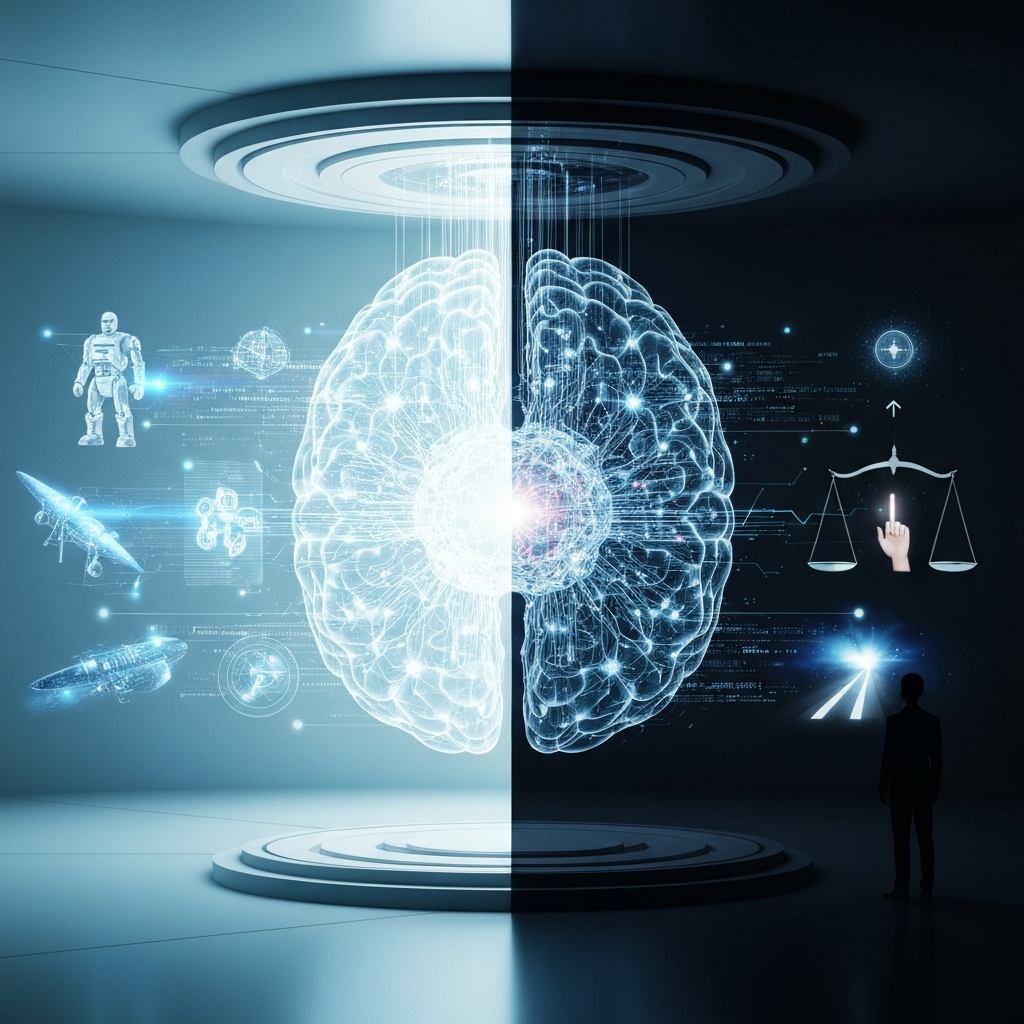
Generative AI used to be just a dream from sci-fi movies. But now, it’s real, and it’s changing industries and our daily lives in massive ways. This quick growth brings a huge need: strong rules for Generative AI Ethics. People are exploring this complex area with real urgency because we see more and more how AI technology affects society. The ethical issues of generative AI are vast and tricky. They demand careful thought and quick action to make sure we build and use this tech responsibly. As AI keeps getting better, everyone involved must understand this ethical landscape.
Understanding the Landscape of Generative AI
Generative AI has seen some truly amazing breakthroughs. Think about it: systems that create lifelike images, gripping text, or even full musical pieces are now common. These fast advancements in generative AI bring both excitement and a bit of worry. The creative power and problem-solving potential are huge, but these very abilities also lead to big ethical dilemmas. For example, people often ask how synthetic content, which you can’t tell apart from human work, will affect what’s real and what we trust. Also, these models work on a massive scale. This means any tiny flaws or biases get much bigger as they process huge amounts of data.
The Inherent Ethical Concerns
One big worry about Generative AI ethical concerns is the potential for bias in these models. AI models learn from massive data sets. If those data sets carry societal biases, the AI will pick them up and spread them, without a doubt. This can lead to unfair or discriminatory results, affecting everything from hiring processes to legal decisions. For example, an image generator might consistently show certain jobs with specific genders or ethnicities, making harmful stereotypes even stronger.
But bias isn’t the only issue. Creating synthetic media, such as deepfakes, poses a serious challenge. Misinformation and disinformation can be made with shocking ease and realism, blurring the lines between what’s real and what’s made up. This ability has huge implications for political talks, people’s reputations, and even national security. Also, intellectual property rights are a hot topic. Questions pop up about who owns what a generative AI creates, especially when it copies existing artistic styles or content.
Addressing Ethical Issues in Generative AI
To handle these tricky problems, people worldwide are working hard to fix ethical issues in generative AI. The main idea is to build generative AI responsibly. Here’s what that means:
* **Transparency:** Users and developers need to know how AI models are made, what data trains them, and their limits.
* **Accountability:** We need ways to make developers and users of generative AI answer for its results and effects.
* **Fairness:** We must test and audit models strictly. This helps us find and fix biases within models before they go public.
* **Human Oversight:** Humans often need to step in and make judgments, especially for important uses.
Governments and global groups are also looking into setting up Generative AI regulatory frameworks. These frameworks aim to set legal limits, define responsibilities, and make sure AI technology gets built and used in ways that match our societal values. These rules will likely change as the technology grows, adjusting to new challenges as they pop up.
Societal Impact and the Future of AI Ethics
Generative AI technology affects society in many areas. Take creative industries, for instance. Artists, writers, and musicians are struggling with what AI systems that make art, text, and music mean for them. Some see it as a strong tool to help them. Others worry about losing jobs and human creativity losing its value. We expect new ways of doing business and new laws will be needed to handle these shifts.
What about the future ethical challenges of generative AI? These will include smart self-driving systems, the risk of algorithms controlling too much, and AI built into vital infrastructure. To get Ethical AI, we need to build a culture where ethical considerations are part of every step. This means from the initial design all the way through to deployment and ongoing maintenance. Plus, teaching people about what AI can and can’t do will be critical in building trust and having good, informed talks about it.
Cultivating Responsible AI
Everyone needs to work together to grow Responsible AI. This means researchers, lawmakers, business leaders, and the public all team up. They’ll set up the best ways to work and ethical guidelines. We’re funding ongoing research into AI safety, how it explains itself, and fairness. This helps us get ahead of unforeseen problems. We’re also encouraging talks and debates. This helps us build a future where AI Ethics aren’t just an extra thought, but a core part of new tech. We believe that with these team efforts, we can use generative AI’s full power for good, while keeping its risks small.
Generative AI’s arrival marks a key moment in tech history. We simply must weave Generative AI Ethics into every part of how we build and use it. From fixing bias in generative AI models to creating strong regulatory frameworks, the way ahead needs hard work, smart planning, and a promise to human values. When we put ethics first, we can truly get all the good from this big technology. This means a future where new ideas and responsibility work together. Our ongoing talks and proactive measures taken today will shape how AI ethics look tomorrow.