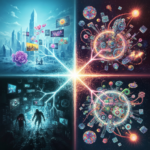
Generative AI is changing creative industries fast. These powerful tools now make everything from art and music to complex stories. Sometimes, it’s hard to tell if a human or a machine made something. As this tech gets better and easier to use, we really need to look at the tough ethical problems it brings. Sure, it offers tons of new ideas. But it also sparks big questions about what’s fair, who owns what, and even what creativity truly means. We need to think carefully about these things.
The Dawn of AI Creativity: New Chances and Worries
Creative AI tools have arrived, bringing both excitement and worry. On one hand, they could make creativity open to everyone. They offer fresh ways to express ideas and speed up creative work. Think about a new musician. They could easily make complex backing tracks. Or a graphic designer might quickly try out endless visual ideas. This tech improves the creative process in ways we never thought possible. It really opens up new artistic paths. Yet, with all this excitement, we also see serious ethical challenges of generative AI in art and other creative fields. People worry about artists’ futures, about if art stays real, and about what happens to society when AI is everywhere in these fields. We need to keep a clear head as these tools keep growing.
Intellectual Property: A Messy Problem
One of the biggest ethical concerns with generative AI is intellectual property (AI intellectual property). Creative work often depends on protecting original ideas. But AI-generated content really shakes up that system.
Copyright Confusion and Who Gets Credit
An AI algorithm makes a song, a painting, or a story. Who wrote it? That’s a basic question, and our current laws don’t have a clear answer. Copyright issues in generative AI art are extra tricky because laws were made for human artists. It’s often hard to say who owns the rights: the AI, its maker, or the user who asked it to create something. Plus, giving credit gets complicated. An AI learns from thousands of artworks. How do we credit the original artists whose styles it copies? People in creative fields feel frustrated by this confusion. They’re asking for new rules about intellectual property concerns with AI creativity and strong legal guides.
Training Data and Fair Use Questions
Generative AI models learn from huge amounts of existing creative work. Often, developers gather this data from the internet without asking or paying the original artists. This raises big questions about fair use and how it uses artists’ hard work. Many say that using copyrighted stuff for training, even if the AI changes it, is still a type of breaking the law. Original artists often feel helpless. Their work fuels systems that might even compete with them, and they get nothing in return. For ethical AI development in creative fields, we must fix this core problem to make sure practices are fair.
Bias and Representation: Showing Our Society’s Flaws
Generative AI, just like any technology, can show and even make existing societal biases worse. If the data used to train these models has unfair ideas, the AI will definitely repeat those biases in what it makes.
The Echo Chamber Effect
Bias in generative AI art and other media can show up in many ways. It might keep stereotypes going in character designs. Or it might leave out certain groups or cultural styles. For example, if an AI mainly learns from Western, male-focused art, its creations might accidentally ignore or misrepresent other cultures and genders. This ‘echo chamber’ effect can narrow creative views instead of expanding them. It hurts the diversity we love in human art. Responsible AI development in creative fields needs careful focus on different kinds of training data. We must actively work to reduce biases. This makes sure AI-generated content includes everyone and shows the world’s rich creative mix.
The Human Element: Art’s Value, Jobs, and Tomorrow
Putting generative AI into creative fields also brings up big questions. What about human artists? What’s the real value of art made by people?
How It Affects Creative Workers
Many artists worry a lot about how AI will affect their jobs. Generative AI can be a strong helper. But many people fear it could also take away jobs. This is especially true for tasks AI can do on its own, like making basic art ideas, simple drawings, or background music. As AI tools get more common and cheaper, the money side of many creative jobs is being questioned. This creates a huge problem for the incomes of many people who spent their lives making art.
What Is ‘Creativity’ Now That AI Is Here?
AI’s skills are sparking new life into an old debate: what really is “creativity”? If a machine makes a great piece of art, is it truly creative? Does a human artist’s intention matter for defining art? These aren’t easy questions. They challenge what we’ve believed for a long time about who makes art, what’s original, and that special human spark. People see the future of human creativity with AI as working together, not fighting. AI helps us do more, but the heart of art still comes from people.
Making Generative AI Responsible
Dealing with the tough AI dilemmas from generative AI needs everyone to work together. Developers, lawmakers, artists, and the public all have a part. We need to set up ethical AI frameworks that put fairness, openness, and responsibility first.
Some key areas to think about:
* **Transparent Training Data**: We need clear records of the data used to train AI models. This means showing sources and licensing details.
* **Artist Compensation Models**: We must find new ways to pay artists whose work trains AI or whose styles AI copies.
* **Clear Attribution Standards**: We should create rules to easily spot AI-made content and give credit when it’s due.
* **Bias Auditing**: We need to regularly check AI models for biases and create plans to fix them.
* **Education and Talk**: We must keep teaching artists and the public about what generative AI can and can’t do. This helps everyone talk openly about its ethical side.
Generative AI gives creative industries amazing potential. But it also forces us to face many tough ethical problems. We’re talking about everything from intellectual property rights and the hidden worry of bias, to how it affects human jobs and what creativity even means. These generative AI ethics in creative industries need our careful and quick attention. If we focus on responsible development, make strong ethical rules, and keep everyone talking, we can build a future. In this future, AI works with human creativity as a true partner, not a problem. The road ahead is tricky. But if we think through these issues well, we can create a lasting and fair space for AI and art.