The Dawn of a New Era: Understanding AI Creativity
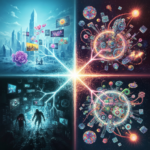
Today, innovation keeps changing, and **AI creativity** is a big, powerful force leading the way. For ages, people thought only humans could be creative. It showed off our amazing imagination and how we express ourselves. But with AI moving so fast, this idea is getting a serious challenge. AI systems now regularly make original art. This makes it hard to tell the difference between human and machine art. This big change makes us look at how we define intelligence in art and design.
AI’s Place in Creative Fields
AI has really changed many creative fields. It’s making workflows new and opening up more art possibilities. We use its power to help, add to, and even start creative work. So, the old rules for “art” and “design” keep stretching.
AI and Art: A New Brushstroke
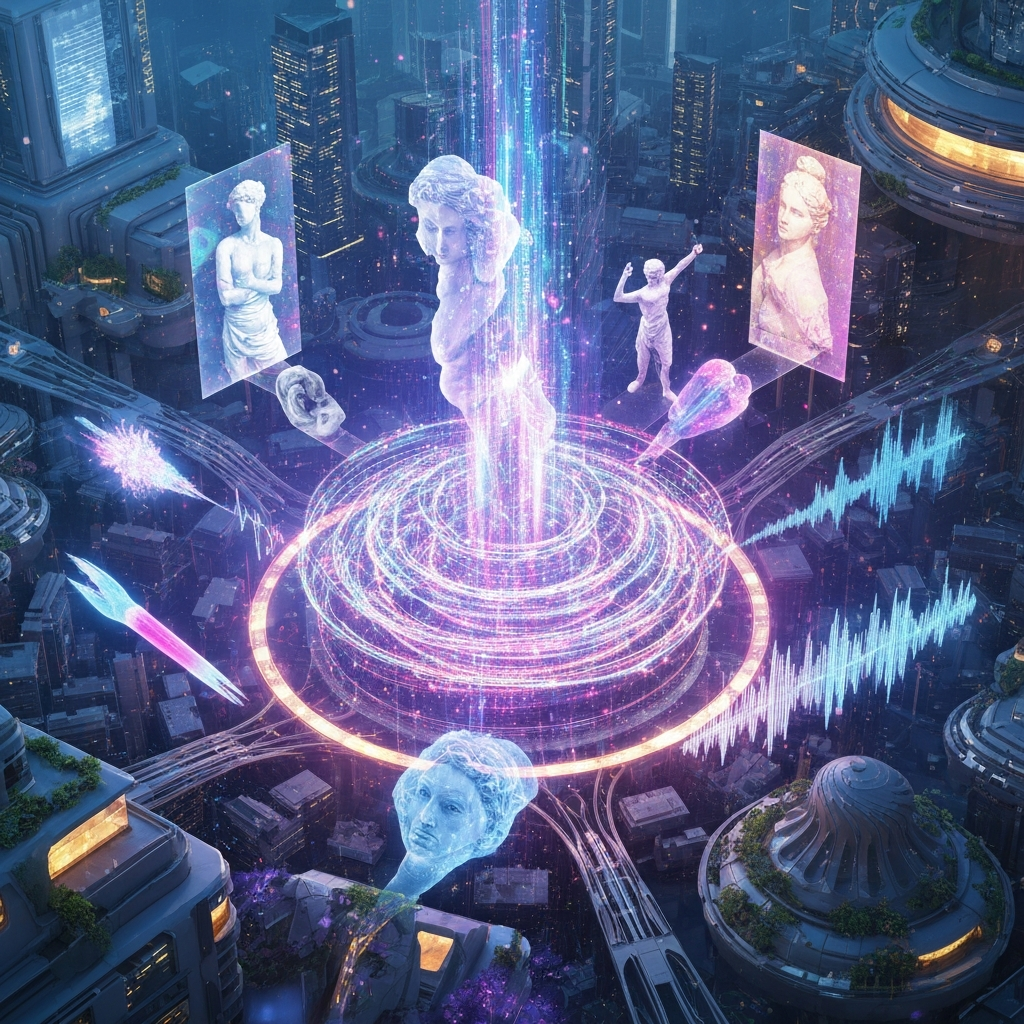
In visual arts, **AI and art** are now together. They give artists new tools and ways to see things. AI helps with everything from making new visual styles to aiding tough compositions. It’s a very useful partner. Specifically, **AI graphic design** platforms can now make logos, pictures, and marketing stuff super fast and well. These tools check out tons of existing designs. They learn beauty rules and then use them to make custom, unique pieces for what you need. Also, generative adversarial networks (GANs) have been used to make great, sometimes strange, digital artworks. These works push how we think about art.
The Symphony of Algorithms: AI Music Generation
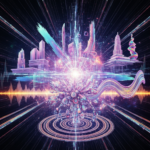
The world of sound also felt a big change. **AI music generation** isn’t just for the future anymore; it’s happening now. AI systems learn from huge music libraries. This lets them make new songs in many styles, like classical or electronic. These systems can make tunes, chords, and beats. Often, you can’t tell them from human music. These steps forward mean music exploration will get much bigger. They open up new ways for sound design and artists to work together.
Beyond Aesthetics: AI Content Creation
AI does more than just visual and sound art. It also helps with **AI content creation** in writing. Algorithms are good at writing articles, ad copy, and even poems now. This really helps businesses and content makers who need a lot of writing. Humans still need to check for small details and make sure it makes sense. But AI tools are strong helpers in making content. They help beat writer’s block and speed up work.
Impact on Creative Pros: Redefining Roles
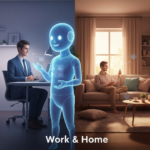
When AI showed up, it naturally made people wonder how it would affect creative jobs. Many ask **how AI is changing creative jobs** and what happens in the long run. We see more and more that AI doesn’t replace humans. Instead, it makes their work bigger. The **impact of AI on artists and designers** mostly means AI handles repeated tasks. This lets pros spend more time on new ideas and big-picture creative plans. For instance, AI can now do manual video editing or simple layout changes in graphic design. This frees up human talent for harder problems.
AI Tools and Their Advantages
Plenty of **AI tools for creative professionals** exist today. They offer many different things you can do. These tools help with everything from thinking up ideas to making final products better. The **benefits and challenges of AI in creativity** are getting clearer. Here are some good things:
- More Speed: Jobs that took hours finish in minutes.
- New Creative Paths: AI can suggest ideas or mixes humans might not think of alone.
- Easier Access: Hard creative tasks become easier for more people.
But problems still exist. These include data bias, styles becoming too much alike, and questions about who truly made the art.
The Future of Creativity: A Collaborative Landscape
Thinking about the **Future of creativity AI** brings up exciting ideas. A key question people often ask is, **will AI replace human creativity**? Most experts say a full replacement won’t happen. Instead, we see a future where people work together with AI. Human cleverness will get help from AI’s computing power. AI will keep growing as a smart partner. It will make human skills better, not smaller. People believe human feelings, understanding of situations, and unique life stories will always be key parts of being creative.
Ethical Questions in AI Art
As AI dives into art more, big ethical problems come up. People are really talking about the **ethical implications of AI in art**. Things like who owns AI art, if AI art is real, and the chance of deepfakes in pictures and sound are urgent worries. More and more, people want to know if art came from a human or AI. This helps make sure audiences get the right info.
So, AI’s Role in the Future of Design
So, **AI’s role in the future of design** and creativity isn’t about taking over. It’s about deep teamwork. The story about AI creativity is changing. People are less scared of it replacing them and more excited about it helping them. AI will keep boosting new ideas. It will push the limits of what we can do in art, music, and content. Creative industries are getting amazing chances to explore new art forms, ways of working, and expressions. This makes the art world richer and more varied. It’s clear that bringing in AI won’t make human creativity less important. Instead, it will lift it to new, amazing levels we couldn’t think of before.