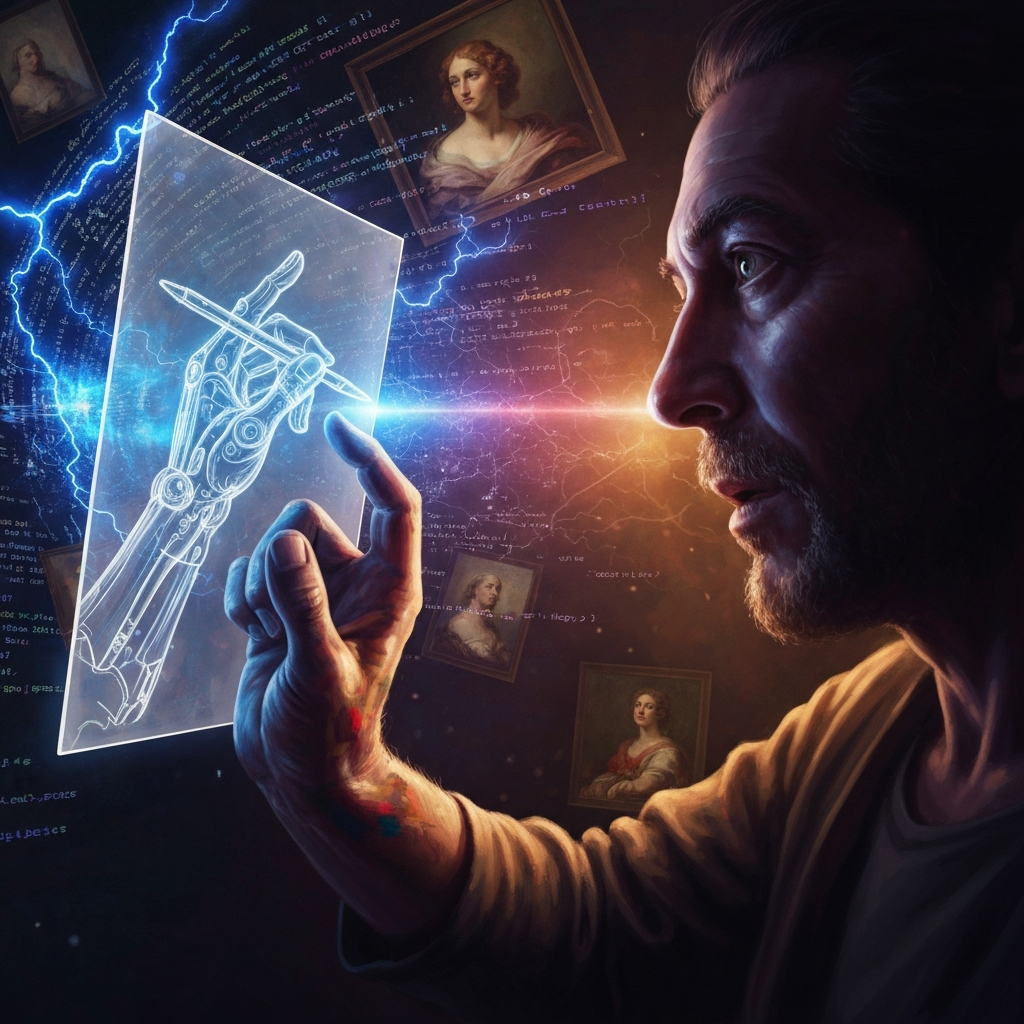
AI’s Art Problem: Unsettling Questions for Creators
Generative artificial intelligence is moving fast. It’s truly opening up new ways to be creative. But here’s the catch: it also brings a tricky mess of ethical problems. People in all kinds of fields are really looking at Generative AI Ethics now. Why? Because we’re seeing more and more what this means for artists, designers, musicians, and writers. As AI gets smarter, it makes its own content. This challenges what we’ve always thought about who creates what, who owns it, and how artists get paid fairly in creative industries.
AI’s Creative Storm: Ethics in the Arts
When AI joins creative work, people feel both excited and nervous. The big talk about AI ethics creative industries covers a lot. We’re talking about unfairness in algorithms and even how much energy it takes to train huge AI models. But a big part of this conversation focuses on what these AI systems actually make. Think about Ethical AI art. Creating it isn’t just a tech problem; it’s a deep philosophical one. We must carefully think about where it comes from and how people might misuse it. Clearly, these new ideas are making us rethink old ways of doing things and common rules.
Who Owns AI Art? The Property Puzzle
One of the trickiest parts is all about Generative AI intellectual property. Imagine an AI makes a new song, picture, or design. Right away, people ask: who actually owns the copyright? The idea of AI creativity copyright isn’t clear in laws worldwide yet. This leaves a gap that’s tough for both new tech creators and traditional artists. We see copyright challenges for AI-generated images a lot. Machines are making tons of art, often after learning from huge collections of human-made work. Plus, the question of how generative AI affects intellectual property in design even reaches into things like industrial design and building plans. So, many people are asking a big question: Should artists be paid for AI content trained on their work? This specific worry shows we need clear ways to source data and pay creators.
What About Us? AI’s Effect on Human Jobs and Art
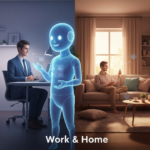
Forget the legal headaches for a moment. The impact of AI on creative jobs worries a lot of people. Sure, AI can definitely boost what humans can do. But many also fear it could take jobs away or make human art seem less valuable. The future of human creativity in the age of generative AI gets a lot of talk. Will artists discover new places to thrive? Or will their work become less important? We’re seeing big ethical questions in specific areas, like the ethical implications of generative AI in music production. Here, AI can write whole songs, which makes us wonder about true originality and artistic honesty. We need to find a good middle ground. This will make sure we celebrate human cleverness instead of letting AI overshadow it.
Building Smart AI: A Path to Responsibility
Solving these tough problems needs everyone working together: AI developers, lawmakers, and artists. We really need clear guidelines for ethical use of generative AI in art. These rules are key. Good guidelines might include:
- Transparency: We should always show when AI helped create content.
- Consent: Get clear permission to use data for training AI.
- Attribution: Find ways to fairly credit artists whose work taught the AI.
- Fair Compensation: Look into new ways to pay creators for their work.
- Human Oversight: Make sure people are involved in important creative choices.
Taking action early helps us build a system for smart new ideas. This way, tech and art can truly work together and help each other grow.
So, What Now?
The ethical world around generative AI is certainly complex. It brings big chances but also tough problems for creative fields. As these technologies keep changing, we need to keep talking, make smart rules, and stick to basic ethical ideas. These steps are super important. If we handle these tricky parts with good planning and teamwork, we can use the amazing power of generative AI. We can do this in a way that respects human creativity, protects intellectual property, and makes sure all artists have a bright future. Building a truly ethical AI system is a job for all of us. It means staying aware and ready to change as things develop.